
Summer in the backyard is everything: the sizzle of a grill, kids splashing in the water, neighbors gathered around a table as the evening cools down. But none of that happens effortlessly. The properties that feel like true retreats are the ones where their owners put in the work before the season started, not after the first party revealed every crack, dead patch, and leaky pipe. A thoughtful pre-summer checklist protects your investment, improves safety, and means you spend the actual summer enjoying your space rather than scrambling to fix it.
Start From the Ground Up: Lawn and Landscape Health
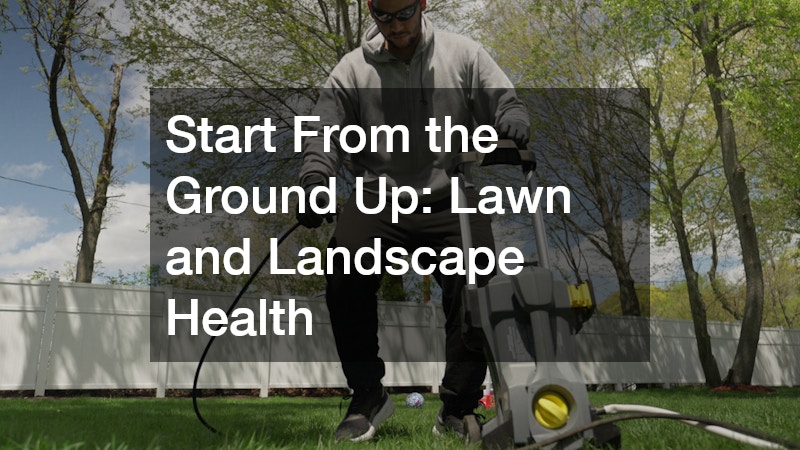
Your lawn is the first thing guests see and the last thing you want to look patchy and stressed by July Fourth. Proper lawn care starts weeks before your first cookout, and the work you do in early spring pays off throughout the entire season. The goal isn’t just aesthetics — it’s building turf strong enough to handle foot traffic, high temperatures, and reduced rainfall without falling apart.
Here’s what a solid pre-summer lawn routine looks like:
- Aerate first. Compacted soil from winter and early spring prevents water and nutrients from reaching the root zone. Core aeration opens the soil and dramatically improves absorption.
- Fertilize strategically. A slow-release nitrogen fertilizer applied in late spring feeds the grass steadily through the summer rather than causing a burst of top growth that stresses the plant.
- Overseed thin areas. If you have bare patches or areas with sparse grass, overseed at least six weeks before heavy use begins so the new growth has time to establish.
- Apply pre-emergent weed control. Summer weeds like crabgrass are far easier to prevent than to eliminate mid-season. Timing the application correctly, before soil temperatures reach 55°F consistently, is what makes the difference.
- Set your mower height correctly. Cutting grass too short stresses the plant and opens the door for weeds. Most turf varieties do best at 3 to 4 inches during summer heat.
A beautiful lawn only goes so far if the layout of your yard is unclear or cluttered. Hardscaping gives your outdoor space structure — it separates the seating area from the play zone, guides guests along natural pathways, and provides clean, defined edges that make the whole property feel intentional and polished.
Beyond aesthetics, hardscape features are some of the most durable investments you can make. Stone retaining walls, gravel paths, concrete borders, and decorative edging require almost no ongoing maintenance and dramatically improve the visual organization of the space. If you’ve been relying on mulch alone to define your garden beds, a clean stone or brick border will transform how the entire yard reads — and it will hold up through seasons of foot traffic and weather without constant replacement.
Canopy Control: Managing Trees Before They Become Hazards
Trees are one of the most valuable features of any residential property. They provide shade, sound buffering, privacy, and a sense of permanence that younger landscaping simply can’t replicate. But trees that haven’t been inspected since last fall can harbor significant risks that only become visible during the activity of summer entertaining. Dead or weakened branches don’t always give obvious warning signs, and a heavy wind during a backyard party can turn a neglected limb into a serious liability.
Bringing in a local tree trimmer before the season begins accomplishes several things at once. It removes deadwood and structurally compromised branches before they become a hazard, thins the canopy to allow better light and airflow to the lawn and garden beds below, and gives you a professional assessment of the tree’s overall health. A certified arborist can spot early signs of disease, pest infestation, or root damage that an untrained eye would miss entirely.
Key signs your trees need attention before summer:
- Visible cracks or splits in major limbs
- Sections of bark that are loose, discolored, or missing
- Fungal growth at the base or along the trunk
- An asymmetrical lean that has developed or worsened over the winter
- Branches hanging over entertainment areas, the pool, or the roof
When Removal Is the Right Call
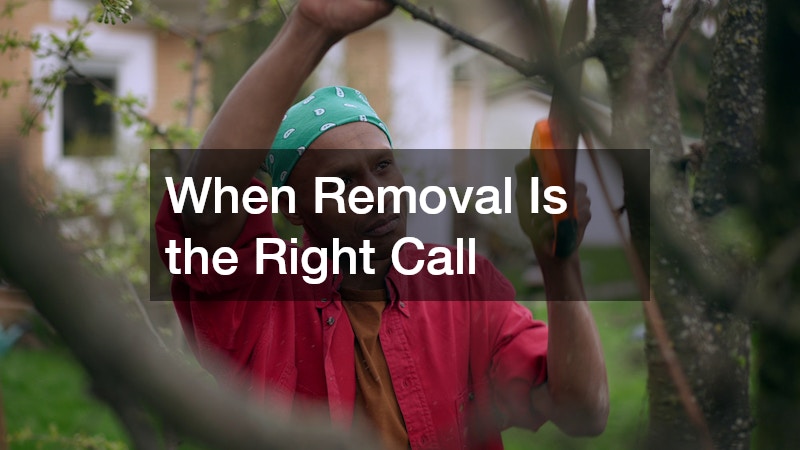
Sometimes trimming isn’t enough. A tree that has experienced deep trunk decay, significant structural failure, or has grown to compromise the foundation of a structure has moved beyond the point where canopy management is a solution. Tree removal is never a decision to make lightly — mature trees take decades to grow and provide real ecological and aesthetic value — but delaying necessary removal creates increasing risk with every passing season.
Dead trees, in particular, deteriorate rapidly once the decay reaches the structural core. What felt solid in spring can become genuinely dangerous by midsummer, especially under the weight of a prolonged rain event or high winds. If a professional has advised removal, prioritize it before summer entertaining begins rather than pushing it to the fall.
Water Systems: Irrigation and Plumbing Integrity
An irrigation system that worked fine last September has had an entire winter to develop issues. Freeze-thaw cycles are hard on underground lines, fittings, and spray heads, and minor problems that were easy to ignore in cooler weather become significant inefficiencies when your landscape is running on water daily. Comprehensive sprinkler maintenance in the spring is one of the highest-ROI tasks on this entire checklist.
A thorough inspection should cover:
- Spray head alignment. Heads that have shifted over winter may be watering the driveway or fence rather than the lawn. Walk each zone and adjust.
- Nozzle clogs. Debris in the lines can partially block nozzles, creating dry spots that look like disease or compaction problems.
- Coverage gaps. Test each zone while watching for areas that aren’t reaching. Adding a head or adjusting arc coverage can eliminate the need for supplemental hand watering.
- Timer and controller settings. Update your schedule to reflect the increased demand of summer temperatures and longer daylight hours.
- Backflow preventer function. This device protects your potable water supply from contamination. If it’s making noise or showing signs of leaking, it needs professional attention immediately.
Irrigation problems aren’t always on the surface. If you’ve noticed unexplained wet spots in the yard, an unusually high water bill, or a drop in system pressure that can’t be explained by a clogged head, the issue may be a subsurface leak or a failing component deeper in the system. This is where a licensed plumber becomes essential.
A plumber experienced in outdoor systems can inspect the main shut-off valve, assess the condition of your supply lines, and evaluate the integration between your irrigation system and your home’s water supply. This is also the right time to inspect any outdoor hose bibs, spigots, or utility connections for signs of freeze damage that may have gone unnoticed over winter. A small repair made in May is far preferable to a mid-party water emergency in July.
Pool Preparation: Safety, Chemistry, and Setup
The pool is the centerpiece of summer entertaining for a reason, but it demands consistent attention to remain the inviting, safe environment you want it to be. Pool cleaning at the start of the season involves more than skimming leaves — it’s a full reset of the water chemistry and physical condition of the entire system after months of reduced or suspended use.
Opening season checklist for in-ground pool owners:
- Remove and clean the winter cover carefully to avoid dumping accumulated debris into the water
- Reconnect and prime the pump and filter system before adding water
- Inspect all visible plumbing fittings, valves, and returns for signs of cracking or leakage
- Shock the water with a high-dose chlorine treatment to eliminate bacteria and algae spores that accumulated under the cover.
- Test and balance pH (7.2–7.6), alkalinity (80–120 ppm), and calcium hardness (200–400 ppm) before anyone swims
- Scrub the tile line and walls to remove calcium deposits and any early algae formation.
- Inspect ladders, handrails, drain covers, and diving board hardware for structural integrity
Ongoing weekly maintenance throughout the summer — testing chemistry, skimming, vacuuming, and backwashing the filter — is what keeps the water clear and safe through the entire season. Letting chemistry drift for even a week creates conditions where algae can establish rapidly, and recovery becomes time-consuming and expensive.
Not every property has an inground pool, and not every homeowner is ready for that level of permanent installation. Working with an above ground pool company is a practical path to a high-quality backyard swim zone that can be operational within days rather than months. The options available today are significantly more sophisticated than older models, with reinforced walls, improved filtration systems, and frame designs that hold up to years of regular use.
What to ask when consulting a supplier:
- What are the ground preparation requirements for the size I’m considering?
- What pump and filtration system does the model include, and is it sized appropriately for the volume?
- What are the load-bearing requirements for the surrounding deck or ground surface?
- Are there winterization kits included or available for proper seasonal closure?
Professional guidance matters here because improper installation — particularly on unlevel ground or without adequate base preparation — leads to structural stress on the frame and uneven water distribution that shortens the life of the pool considerably.
Outdoor Living Upgrades: Decking and Culinary Infrastructure
The area immediately surrounding your pool takes more abuse than almost any other surface on your property. Constant exposure to UV, water, pool chemicals, and the friction of wet feet creates a surface that degrades faster than standard patios or walkways. Pool deck paving with professional-grade materials addresses both the safety and aesthetic problems that an aging surround creates.
Modern paving options for pool surrounds include:
- Travertine. Naturally cooler underfoot due to its porous structure, highly durable, and aesthetically timeless. One of the most popular choices for upscale residential pools.
- Concrete pavers. Available in a wide range of colors, finishes, and patterns. Individual units can be replaced if one cracks rather than requiring a full resurfacing.
- Brushed or broom-finished concrete. Cost-effective and durable, with the textured finish providing meaningful slip resistance when wet.
- Composite or PVC decking. Commonly used for above ground pool surrounds; resistant to moisture, splinter-free, and available in a range of colors that hold well over time.
When evaluating your current surroundings, look for cracks wider than a quarter inch, surface spalling, areas that retain standing water after rain, or sections that have become visibly uneven. Any of these conditions creates a tripping hazard that needs to be addressed before the pool is in heavy use.
Building Out a Functional Outdoor Kitchen
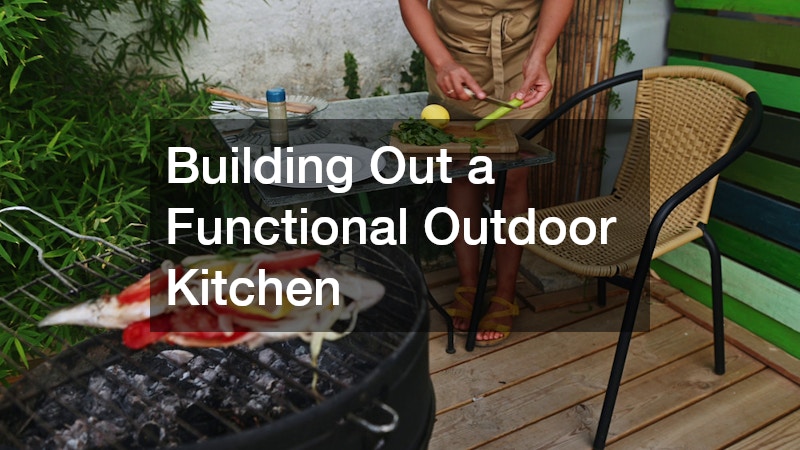
A well-designed backyard kitchen changes the dynamic of summer entertaining completely. When the cooking happens outdoors, the host stays in the middle of the action rather than disappearing into the house between courses. It also keeps the heat and smell of cooking outside where it belongs, which your indoor HVAC system will appreciate on a 95-degree afternoon.
Planning a backyard kitchen that actually functions well means going beyond the grill:
- Built-in grill with side burners. A quality built-in grill anchors the space and handles the bulk of cooking. Side burners extend your range to sauces, sides, and anything that needs a stovetop.
- Prep and counter surface. Stainless steel, granite, and porcelain all perform well outdoors. You need more prep space than you think, especially when cooking for larger groups.
- Outdoor sink. A connected sink eliminates the constant traffic in and out of the house for handwashing, food rinsing, and cleanup.
- Refrigeration. A built-in outdoor refrigerator or beverage cooler keeps drinks and perishables within reach without relying on a separate cooler.
- Covered structure. A pergola, shade structure, or extended roof overhang protects both guests and appliances from direct sun and keeps the space usable on overcast days.
Ensure that gas line connections, water supply lines, and any electrical work involved in the installation are completed by licensed professionals. These aren’t DIY projects — code compliance and weatherproofing matter significantly for the long-term function and safety of the installation.
Putting It All Together
Work through this checklist category by category, starting with the structural and safety items (trees, pool plumbing, irrigation) and finishing with the cosmetic and upgrade projects. Hire licensed professionals for anything that involves plumbing, electrical, or structural risk, and lean on specialists for the areas where expertise genuinely matters. The investment in proper preparation pays back every time a guest looks around your yard and says, without prompting, that it feels like a resort. That reaction is earned, not accidental.