
Embarking on a top-to-bottom property transformation is one of the most rewarding journeys a homeowner can undertake. It is an opportunity to mold a generic structure into a bespoke sanctuary that reflects your lifestyle, aesthetic values, and functional needs. Beyond the deeply personal satisfaction of living in a space tailored precisely to your preferences, a comprehensive overhaul represents a massive financial commitment. Done correctly, a systematic upgrade can dramatically accelerate equity growth, optimize energy efficiency, and protect your investment against premature structural degradation for generations to come.
However, a project of this magnitude is not merely a collection of isolated weekend tasks; it is a complex, high-stakes puzzle that demands strict logistical orchestration. Property owners often make the mistake of approaching renovations haphazardly, finishing interior drywall only to realize they need to tear it open later to upgrade outdated electrical lines or accommodate an expanding footprint. To prevent catastrophic budget overruns, overlapping labor costs, and crippling delays, you must implement a rigorous, sequential roadmap. This in-depth guide is designed to serve as your master blueprint, walking you through the critical phases of a property transformation, from navigating the initial financial structures to executing the final cosmetic details.
The Financial Foundation: Budgeting and Exploring Options

Every successful home evolution begins long before the first tool touches a wall. The literal and figurative foundation of a massive property upgrade rests entirely upon your financial underwriting and macro-level strategic planning. Attempting to figure out your funding parameters while projects are actively underway is a direct recipe for half-finished rooms and crushing financial strain.
Assess Your Financial Readiness and Funding Vehicles
Before visualizing new kitchens or sprawling additions, you must accurately calculate your available liquidity, existing home equity, and borrowing capacity. Large-scale structural renovations require substantial capital up front, making it essential to identify the most efficient borrowing instruments early.
- Analyze Your Equity: Determine your current loan-to-value ratio to see how much borrowing power is trapped within your asset.
- Explore Renovation Capital: Compare standard personal lines of credit against more specialized products like cash-out refinances, home equity lines of credit, or construction-to-permanent loans.
- Partner with Professionals: Navigating these intricate lending pathways requires specialized expertise. Consulting an experienced home mortgage broker allows you to evaluate your credit health, compare interest rate structures, and secure the necessary capital under terms that match your long-term wealth goals.
Evaluate Existing Properties vs. Starting Fresh
Part of setting your financial foundation involves deciding whether your current house can realistically support the weight of your architectural ambitions. Sometimes, structural limitations, restrictive zoning laws, or severe foundation issues make renovating an existing asset economically impractical.
- Study the Market: Analyze historical data, local neighborhood comps, and zoning trends to ensure you do not inadvertently over-improve a property beyond what the local market can absorb.
- Scan Alternative Options: Spend time reviewing modern home listings to see if purchasing a completely different property with a more favorable layout or a larger lot serves as a more efficient starting point for your dream upgrade.
Structural Ambitions: Designing and Executing Large-Scale Alterations
Once your capital is secured and your property asset is locked in, you enter the phase of macro-structural planning. This is where your abstract spatial dreams interface directly with the uncompromising realities of physics, engineering, and municipal building codes.
Evaluate Blueprint Boundaries and Engineering Realities
Altering the foundational footprint or internal load-bearing framework of a home is a delicate process. You cannot simply knock down a wall because you desire an open-concept layout without fully accounting for the weight distribution of the roof and upper stories.
- Map Load Paths: Work closely with structural engineers to trace how weight flows from your roofline down to the footings.
- Verify Local Regulations: Secure all necessary permits and review municipal setbacks, height restrictions, and environmental easements before initiating heavy site work.
Bring Your Architectural Vision to Life
When an older property possesses an outdated, inefficient foundation or a terminally compromised structural framework, attempting to repair it piece by piece can become a financial black hole. In these scenarios, the most logical and cost-effective path forward is to clear the site completely and design a bespoke layout from the ground up.
- Design for Modern Living: Creating a blueprint from scratch allows you to integrate high-efficiency insulation, smart home automation grids, and optimal solar positioning.
- Select the Ultimate Partner: Bringing a complex, high-performance blueprint to life requires working with a reputable local custom home builder who understands regional soil conditions, structural requirements, and premium material supply chains.
- Execute with Longevity in Mind: Investing your energy and capital into a comprehensive new home build project ensures that every square foot of the structure complies with modern safety codes, maximizing your long-term equity and minimizing unexpected maintenance for decades.
Expanding the Footprint: Adding Square Footage Seamlessly
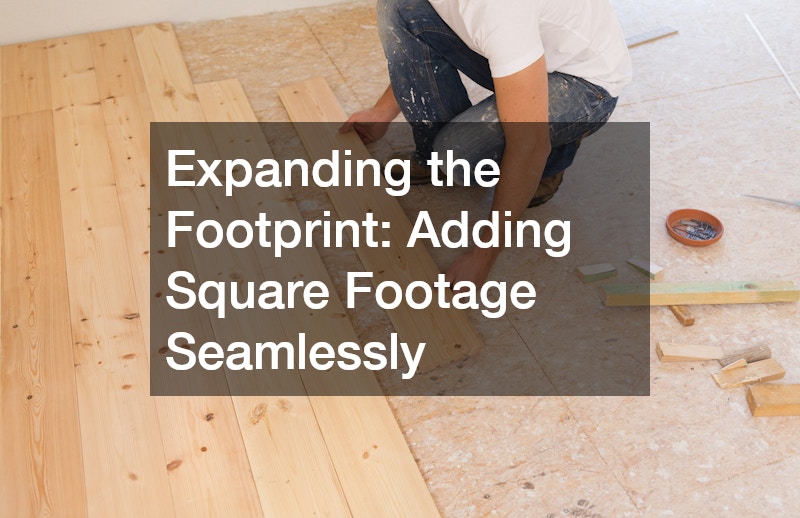
For many homeowners, a top-to-bottom upgrade is driven by a simple necessity: the need for more physical space. Whether accommodating a growing family, building a dedicated home workspace, or creating a multi-generational living suite, expanding your home’s square footage requires seamless integration.
Plan for Vertical or Horizontal Spatial Growth
Adding a new wing or building a second story involves far more than simply pouring a concrete pad or raising new studs. You are essentially grafting a new anatomical structure onto an existing living organism.
- Align Utility Baselines: Ensure your existing electrical panels, main sewer drains, and incoming water lines possess the necessary capacity to service the additional square footage.
- Assess HVAC Dynamics: Calculate the additional heating and cooling loads to determine if your current climate control system can handle the expansion, or if you need to install a secondary, independent zoned system.
Vet the Teams Behind Structural Expansions
The success of a structural expansion hinges entirely on the cohesion and technical skill of your construction crew. Because you are modifying an existing structural envelope, the margins for error are razor-thin.
- Secure specialized leadership: Hiring a dedicated, certified home addition contractor is essential to oversee the complex architectural tie-ins, preventing foundation settling and roofline mismatches where the new structure meets the old.
- Coordinate your workforce: A seamless build requires managing a diverse array of independent specialists. Keeping a qualified network of home renovation contractors moving in perfect sequence ensures that framing, rough-in plumbing, electrical wiring, and insulation tasks proceed efficiently without causing costly structural bottlenecking.
Maximizing Curb Appeal and Enclosing the Envelope

With your structural foundation and expanded footprint firmly established, your immediate priority must shift toward sealing the home. The structural envelope—consisting of your roof, windows, and exterior walls—serves as the primary shield protecting your interior investments from moisture, temperature swings, and pests.
Protect Your Structural Assets from the Elements
It is an absolute rule of construction sequencing that you must never install premium interior finishes like hardwood flooring, custom cabinetry, or delicate drywall until the exterior shell of the building is entirely weatherproof.
- Mitigate Water Risk: Even a minor, undetected roof leak during the interior phase can ruin thousands of dollars in new materials and cultivate hidden mold behind your pristine walls.
- Optimize Thermal Resistance: Use modern house wraps, flashing tapes, and advanced vapor barriers to create a continuous, tightly sealed thermal envelope.
Secure the Exterior Barriers
Upgrading your home’s exterior barriers is the single most effective step you can take to lower your monthly utility costs, improve indoor air quality, and instantly boost your property’s curb appeal.
- Install a Lifetime Roof: Partnering with highly qualified, licensed roofing contractors for a total roof replacement ensures your home is protected by modern, impact-resistant materials that can withstand severe weather events.
- Eliminate Thermal Bridges: Replacing old, drafty, single-pane glass with modern, argon-gas-filled window installations prevents energy loss, dampens exterior environmental noise, and blocks UV rays from fading your interior furnishings.
Reimagining the Core: Interior Structural Overhauls
Once your home is completely sealed against the elements, you can safely turn your attention inward. This phase focuses on overhauling the high-utility interior spaces that dictate your daily quality of life and represent the highest return on investment when it comes to resale value.
Optimize Kitchen and Bathroom Layouts
Kitchens and bathrooms are the operational engines of any residential property. Upgrading these spaces requires a careful balance between luxury aesthetics and intense mechanical engineering.
- Refine the Work Triangle: Position your refrigerator, sink, and cooking surfaces in an efficient, unobstructed geometric layout to streamline daily food preparation.
- Future-Proof the Infrastructure: Do not simply slap a new tile over old pipes. Take the time to replace aging galvanized steel or brittle plastic lines with durable, modern plumbing systems while the walls are open.
- Maximize Illumination: Layer your lighting with functional task lights over workspaces, ambient recessed ceiling fixtures, and soft accent lighting to create depth and warmth.
Elevate Spaces With Tailored Finishes
To elevate your property from ordinary to extraordinary, look beyond standard, off-the-shelf fixtures. True customization lies in the execution of bespoke interior details that optimize every square inch of your floor plan.
- Integrate Smart Storage: Design custom-built-in cabinetry, walk-in pantries, and dedicated utility closets to eliminate daily clutter and maximize spatial efficiency.
- Select Performance Materials: Choose durable, non-porous surfaces like quartz or quartzite for high-traffic countertops to ensure your investments resist stains and scratches.
- Execute High-End Design: Investing in comprehensive custom remodeling allows you to reconfigure awkward floor plans into flowing, intuitive living spaces that blend premium millwork, high-end stone finishes, and cohesive architectural symmetry throughout the interior core.
Finishing Touches: Bringing Cohesion to the Property

The final phase of a top-to-bottom property transformation is where all your hard work, structural upgrades, and layout alterations converge into a visually stunning, unified reality. The finishing touches bridge the gap between a sterile construction site and a warm, inviting home.
Curate a Fluid Internal and External Palette
A common mistake in large-scale renovations is treating each room as an independent design project. Without a unifying aesthetic thread, a home can feel disjointed and jarring as you move from one space to the next.
- Develop a Core Color Story: Select a curated palette of three to five coordinating tones that repeat subtly across walls, cabinetry, and exterior architectural details to anchor the property.
- Harmonize Material Textures: Ensure your choice of metal finishes, wood grains, and flooring undertones remains consistent across both original structures and new additions to create a natural visual flow.
Execute Flawless Surface Finishes
The ultimate quality of your entire property renovation is often judged by the crispness of its surface finishes. Even the most structurally sound, expensive addition will look subpar if the final surface coatings are executed poorly.
- Prioritize Surface Preparation: Ensure all drywall seams are sanded perfectly smooth, minor imperfections are filled, and surfaces are fully primed before applying any final coatings.
- Protect High-Wear Zones: Use durable, cleanable paint finishes like satin or semi-gloss on trim, baseboards, and high-moisture areas to guarantee long-term resilience.
- Hire Precision Artisans: Entrusting your final interior and exterior walls to a professional painting contractor guarantees razor-sharp trim lines, uniform color depth, and a pristine, brush-stroke-free finish that highlights your home’s architectural features and completes your transformation beautifully.
Conclusion
Successfully transforming a property from top to bottom is a monumental achievement that permanently elevates your day-to-day living experience and secures your financial future. While the sheer volume of choices, timelines, and logistical variables can appear intimidating at the outset, the secret to success lies in respecting the natural sequence of construction. By systematically addressing your funding, establishing a sound structural framework, securing a weatherproof exterior envelope, and finishing with cohesive interior details, you effectively eliminate the chaotic guesswork that derails lesser projects.
As you step back to appreciate your fully upgraded property, the value of methodical planning and uncompromising craftsmanship becomes undeniably clear. You are no longer merely maintaining a building; you are presiding over a highly optimized, beautifully integrated asset designed to serve your family perfectly. By partnering with the right professionals, choosing high-performance materials, and maintaining an unwavering commitment to quality at every phase, you ensure that your top-to-bottom transformation remains a source of pride, comfort, and enduring value for decades to come.