
Every property relies on a hidden network of utility lines to maintain health, safety, and operational sanity. Among these, the underground wastewater mainline is arguably the most vital, acting as the primary highway that carries every drop of graywater and blackwater away from your home. Because this massive pipe is buried deep underground—beneath manicured lawns, concrete driveways, or structural slabs—it operates on an out-of-sight, out-of-mind basis. Homeowners rarely give it a second thought until it fails.
The reality of subterranean infrastructure is that it exists in a highly volatile environment. Wastewater pipes are subjected to constant chemical exposure from household waste, shifting soil pressures, seasonal temperature swings, and the relentless invasion of nearby tree roots. Over several decades, materials like clay, cast iron, and even early plastics degrade, crack, or completely collapse. When a mainline fails, it is not merely a minor inconvenience; it is a structural and biological emergency that can cost thousands of dollars in property damage and create severe biohazard conditions inside your living spaces. Recognizing the early, subtle warning signs of a failing mainline allows you to take control, schedule planned renovations, and avoid a catastrophic emergency backup.
1. Spotting Fixture Backups and Drainage Failures
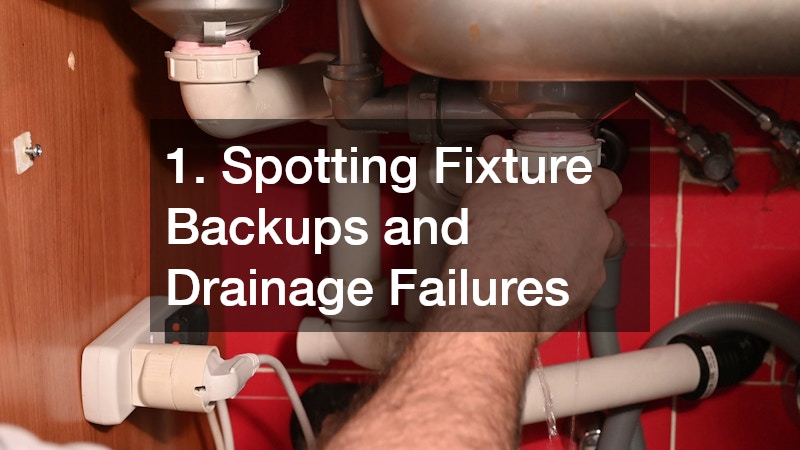
The absolute earliest indicators of wastewater mainline deterioration manifest at your plumbing fixtures. However, many property owners misdiagnose these early warnings, confusing a systemic mainline failure with a simple, isolated clog. It is crucial to understand the mechanical hierarchy of your home’s drainage network to accurately read what your fixtures are trying to tell you.
When a single bathroom sink or a specific kitchen basin drains slowly, the obstruction is almost always localized. It is usually a minor accumulation of hair, soap scum, or cooking grease trapped within the immediate P-trap directly beneath that specific fixture. Conversely, when the mainline deep underground undergoes a structural collapse or suffers a severe root intrusion, the entire drainage highway becomes bottlenecked. This structural bottleneck means wastewater cannot exit into the municipal sewer or septic field, causing it to back up into the lowest structural points of your home and rise simultaneously in showers, tubs, and floor drains.
This structural bottleneck creates a distinctive set of symptoms across your home:
- Simultaneous Multi-Fixture Backups: When you flush a toilet on the main floor, water should never bubble up into the adjacent shower pan or bathtub. If water rises in your lowest bathing fixtures when a toilet is cleared, the wastewater has nowhere to go and is forcing its way back up the line.
- Sequential Drainage Stalls: If you run the washing machine and notice that the floor drain in the basement begins to overflow during the drain cycle, this points to a systemic failure. The mainline cannot handle high volumes of water.
- The Reappearance of Cleared Obstructions: If you repeatedly clear a specific clogged drain only for the identical issue to return forty-eight hours later across multiple rooms, the problem is not a simple hair clog; it is a structural failure deep in the main line.
Faced with these frustrating delays, many homeowners make the critical mistake of running to the local hardware store to purchase chemical drain cleaners. Pouring highly corrosive liquids down your pipes to resolve a systemic mainline failure is incredibly dangerous. These chemical compounds generate intense thermal reactions that can melt modern plastic pipes or completely eat away at old, corroded cast-iron lines, rapidly turning a subsurface blockage into a ruptured pipe that requires immediate, invasive excavation.
2. Tracking Auditory Clues and Unexplained Lush Patches
When a mainline begins to crack or separate underground, it doesn’t always announce itself with an immediate, dramatic backup inside the house. Often, the early warning signs are acoustic and environmental, requiring a keen ear and a vigilant eye during routine property maintenance.
Your plumbing system is engineered to maintain a strict balance of water and air pressure. Air is introduced through plumbing vents on your roof to ensure water flows smoothly down the drains without creating a vacuum. When an underground mainline pipe starts to collapse, sag, or fill with roots, it disrupts this delicate pressure equilibrium. This disruption forces air bubbles upward through the fixtures, creating a distinct gurgling or bubbling sound emanating from your toilets when they are not in use, or when a nearby appliance like a dishwasher is draining. This sound is the acoustic signature of air bubbles struggling to bypass a major structural obstacle deep under the ground.
As the structural integrity of the buried pipe degrades further, wastewater begins to seep directly into the surrounding soil. This structural rupture allows effluent to leak, creating highly visible anomalies across your lawn:
- Unusually Vibrant, Over-Lush Grass: Raw sewage is rich in organic matter, nitrogen, and phosphorus, acting as a potent fertilizer. If you notice a highly localized strip of grass that is suddenly much greener, taller, and thicker than the rest of the yard, an underground pipe is likely leaking effluent into the dirt.
- Soggy, Sunken Patches of Soil: A continuous subsurface leak will eventually oversaturate the earth, causing the soil above it to lose its structural compaction. The ground may feel spongy when stepped on, or visible sinkholes and depressions may form along the path of the pipe.
- Persistent Odors of Sewer Gas: A sealed mainline keeps sewer gases contained. If you step outside and smell a distinct, foul odor resembling rotten eggs near your foundation or across your lawn, a pipe breach is allowing methane gas to vent directly into the atmosphere.
Isolating these underground breaks requires specialized diagnostic technology. A qualified residential plumber can run a waterproof, high-definition fiber-optic video camera down through a cleanout access point. This camera feed tracks every inch of the pipe interior, allowing the technician to use advanced electronic leak detection equipment to pinpoint the exact depth and location of the structural breach from above ground, preventing unnecessary guesswork and minimizing yard damage.
3. Investigating Foundation Cracks and Structural Settling

While an underground mainline failure can certainly ruin your landscaping and disrupt your morning routine, its long-term potential for structural destruction is far more sinister. When a wastewater line breaks directly beneath or immediately adjacent to a building’s foundation, the escaping water changes from a minor plumbing inconvenience into a direct threat to the structural integrity of your home.
This risk is particularly acute in properties constructed on concrete slab-on-grade foundations, where the main sewer line is cast directly beneath the heavy concrete pour. If a pipe under the slab fractures due to age or seismic shifting, the continuous flow of pressurized graywater begins to wash away the supporting soil beneath the slab. Over months or years, this sub-surface erosion creates massive voids. Without uniform soil support, the heavy concrete slab will inevitably crack and sink into the empty void, a process known as foundation settling.
Standard plumbing failure signs usually start with minor gurgling, intermittent exterior odors, and isolated blockages that are easily cleared. However, when the issue escalates into a crisis-level structural indicator, you will notice deep structural cracks splitting the slab, chronic mold growth spreading in crawlspaces, interior doors shifting out of alignment, or active sewage flowing into basements.
Homeowners must remain alert to specific architectural warning signs that indicate a subsurface water leak is actively compromising their home’s structural stability:
- Fresh Exterior Masonry Cracks: Look for stair-step cracks forming in exterior brickwork or splits appearing along the concrete foundation perimeter where the main utility lines enter the structure.
- Interior Architectural Shifts: Doors that suddenly stick in their frames, windows that refuse to open smoothly, or new cracks splitting the interior drywall often signal that one corner of the house is shifting due to eroded soil.
- Crawlspace Inundation and Mold: For homes built over a traditional crawlspace, a ruptured line will cause raw sewage to pool directly on the dirt floor, leading to catastrophic spikes in humidity, wood rot along floor joists, and dangerous mold blooms that compromise indoor air quality.
When an underground leak advances to the point of causing structural shifting or active pooling under your living spaces, you can no longer afford to schedule a standard service appointment for next week. These scenarios demand the immediate deployment of emergency plumbing services to halt the flow of water and stabilize the site. Once the immediate crisis is contained, technicians can assess the extent of the subsurface damage to determine whether a localized pipe repair and repiping of the entire foundation run is necessary to protect the structural integrity of the home.
4. Differentiating Mainline Fixes from Off-Grid Waste Systems
When executing critical wastewater renovations, property owners must understand exactly where their legal and mechanical responsibilities begin and end. This clarity depends heavily on whether your property connects directly to a municipal sewer network or utilizes a private, off-grid treatment system.
For properties hooked up to a city network, the homeowner is legally responsible for the “lateral line”—the section of underground pipe that runs from the exterior walls of the house to the boundary line where it connects to the city-owned main sewer pipe under the street. If a collapse happens anywhere within your property lines, the financial burden of rehabilitation rests squarely on your shoulders. However, if your home operates on an independent, private waste setup, a failure could reside in an entirely different set of mechanical components.
If your home does not utilize city utilities, structural issues can manifest through completely different channels:
- Saturated Absorption Fields: If you observe pooling water or foul odors far away from the house near your drainage field, the soil may be completely blocked by solid waste runoff, indicating that your tank has gone too long without a professional septic tank service.
- Baffling and T-Pipe Failures: The physical inlet and outlet pipes inside a private holding vessel can corrode and drop to the bottom of the tank, causing an immediate blockage that mimics a collapsed mainline.
- Structural Lateral Failures: Even with an independent system, the solid pipe leading from your house to the processing tank can crack or sag due to vehicle traffic over the yard, requiring targeted sewer repair to re-establish a correct downward slope.
Determining whether your property requires a comprehensive trenchless lining, a full physical excavation, or a targeted pump-out and filter cleaning requires specialized diagnostic testing. A licensed contractor will look at your specific system architecture to ensure you don’t spend thousands on structural pipe replacement when the root issue is actually a failed processing field or a backed-up holding vessel.
5. Screening Reliable Contractors and Bundling Utility Projects
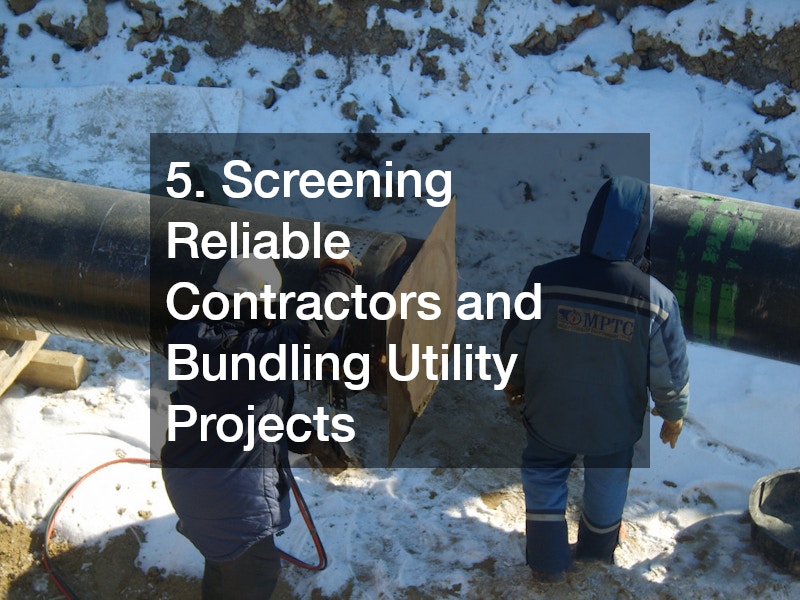
Embarking on a critical wastewater mainline renovation is a major infrastructural undertaking. Because these projects involve deep excavations, specialized pneumatic tools, heavy machinery, and strict municipal permitting, vetting the right contracting team is the single most important decision a property owner will make.
When searching for the right professionals, you must look beyond basic handymen or localized drain-clearing franchises. Mainline overhauls require large-scale mechanical and structural engineering capabilities. Homeowners should request itemized quotes from established, full-service plumbing companies that possess specific bonding, massive liability insurance policies, and specialized trenchless rehabilitation technology, such as cured-in-place pipe lining or pipe-bursting systems.
Once a mainline rupture is diagnosed, a homeowner can evaluate contractors and look for ways to combine projects to minimize excavation costs. By addressing complete sewer repair and structural pipe fixes at the same time, you can often add an upgraded tankless water heater installation while the technicians are already working on your core infrastructure lines, leading to long-term utility peace of mind.
- Upgrading Incoming Water Lines: If contractors are already digging a trench to replace an old clay sewer line, it is highly economical to have them replace your aging, corroded incoming freshwater main at the exact same time, splitting the excavation costs across two major projects.
- Modernizing Hot Water Infrastructures: A major infrastructure overhaul is the perfect moment to evaluate your home’s energy efficiency. While technicians are modifying your utility connections, you can maximize their presence on your property by coordinating a modern tankless water heater installation. This switch eliminates bulky storage tanks, slashes monthly energy usage, and guarantees a continuous supply of hot water.
- Installing Backflow Prevention: While your main waste line is open, have your contractors install a mechanical backwater valve. This critical valve acts as a one-way gate, allowing waste to exit your home but mechanically locking shut if the city sewer lines back up, completely protecting your basement from unexpected city utility failures.
Taking a comprehensive, big-picture approach to your property’s sub-surface utilities allows you to transform a frustrating, stressful infrastructure failure into a highly strategic home modernization project that protects your asset for the next fifty years.
Conclusion
Addressing these structural failures through proactive, planned renovations allows you to remain completely in control of your budget, your timeline, and your sanity. Taking action at the first sign of trouble prevents the nightmare of raw sewage backing up into your living spaces and protects your home’s heavy concrete foundation from catastrophic erosion. By investing in modern diagnostic technology and partnering with licensed infrastructure professionals, you can transition your property’s primary utility network into a safe, durable, and high-performance asset that safely supports your household for decades to come.