Key Takeaways
- Regular inspections help identify minor issues before they develop into costly repairs, saving homeowners time and money in the long run.
- Organizing maintenance tasks by category, such as plumbing, roofing, HVAC, and electrical systems, makes upkeep more manageable and easier to track.
- Indoor and outdoor areas both require consistent attention to maintain safety, efficiency, and overall property condition.
- Seasonal adjustments ensure the home is prepared for changing weather conditions and help address risks specific to different times of the year.
- Digital tools, reminders, and maintenance apps can improve consistency and make it easier to monitor completed tasks and upcoming responsibilities.
- Knowing when to hire qualified professionals for specialized repairs or inspections helps prevent safety hazards and protects major home systems.
- Maintaining detailed records of inspections, repairs, and expenses supports better planning, budgeting, and long-term property management.
Owning a home comes with more responsibilities than simply paying the mortgage and keeping the space clean. Every component of a house—from the roof and gutters to the plumbing, electrical systems, and appliances—requires regular attention to remain in good condition. Unfortunately, many homeowners wait until something breaks before taking action, which often leads to expensive repairs and unexpected disruptions. A structured monthly maintenance checklist helps prevent small issues from becoming major problems by encouraging consistent inspections and upkeep. By creating a practical, realistic system tailored to your home, you can improve safety, extend the life of critical components, and preserve property value. This guide explains how to build a monthly house maintenance checklist that is easy to follow and effective throughout the year.
Why Does a Monthly House Maintenance Checklist Matter?
A home is one of the largest investments most people will ever make. Like any valuable asset, it requires regular care to perform well and retain its value. Many homeowners understand the importance of maintenance but struggle to establish a routine. As a result, minor issues often go unnoticed until they become costly repairs. A monthly checklist creates a structured approach that makes home care more manageable and less overwhelming. Rather than tackling dozens of tasks at once, homeowners can spread responsibilities throughout the year and address concerns before they escalate.
A well-designed checklist offers several benefits:
- Reduces repair costs
Identifying small problems early often prevents major failures that require expensive repairs or replacements. - Improves home safety
Regular inspections can reveal electrical hazards, plumbing leaks, structural issues, and other risks before they become dangerous. - Extends equipment lifespan
HVAC systems, appliances, roofing materials, and plumbing fixtures generally last longer when properly maintained. - Improves energy efficiency
Clean filters, sealed windows, and properly functioning systems help reduce energy consumption. - Protects property value
Well-maintained homes typically retain their market value better and attract more buyers if listed for sale.
The key is creating a checklist that is practical and realistic enough to follow consistently.
What Makes a Maintenance Checklist Effective?
Many homeowners start with good intentions but eventually abandon their maintenance plans because they become too complicated or time-consuming. An effective checklist balances thoroughness with simplicity.
The best maintenance systems focus on essential tasks while remaining flexible enough to adapt to changing conditions. Rather than creating a long list that feels overwhelming, homeowners should prioritize tasks based on importance, frequency, and the specific needs of their property. A checklist should serve as a guide, not a burden.
Characteristics of an effective maintenance checklist include:
It Is Organized by Category
Breaking tasks into categories helps prevent confusion and ensures every area of the home receives attention.
Common categories include:
- Exterior maintenance
- Roofing and gutters
- Plumbing
- Electrical systems
- HVAC systems
- Appliances
- Safety equipment
- Landscaping
It Includes Realistic Monthly Tasks
Not every maintenance activity needs to happen monthly. Focus on inspections and routine upkeep that can identify problems early.
It Is Easy to Track
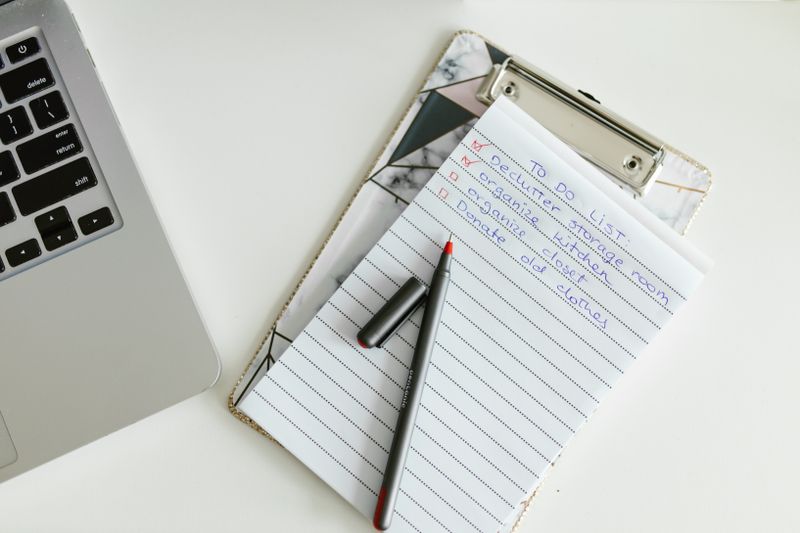
Whether you use a notebook, spreadsheet, app, or printed checklist, keeping records helps monitor completed tasks and identify recurring issues.
It Fits Your Home’s Specific Needs
Every property is different. A home with mature trees may require more frequent gutter inspections, while older homes may need additional plumbing and electrical monitoring.
How Should You Assess Your Home Before Creating a Checklist?
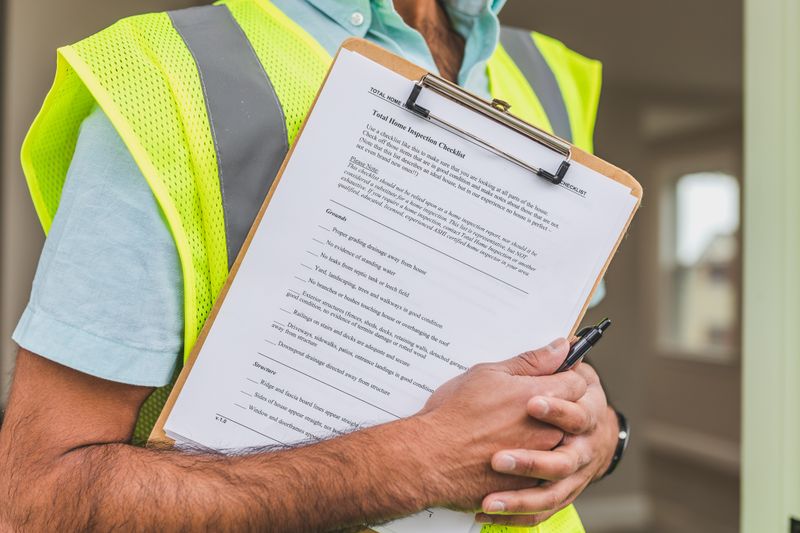
Before building a maintenance schedule, it is important to understand your home’s current condition. This initial assessment helps identify areas that need more attention and allows you to prioritize tasks appropriately.
Walk through the entire property and document anything that appears worn, damaged, aging, or potentially problematic. Take photographs if necessary and create a list of observations. This assessment serves as the foundation for your maintenance plan and ensures you focus on the areas most likely to cause issues.
Consider evaluating the following:
Exterior Features
Inspect:
- Siding
- Paint
- Windows
- Doors
- Decks
- Driveways
- Walkways
Look for signs of deterioration, cracks, moisture damage, or pest activity.
Roof and Gutters
Check for:
- Missing shingles
- Damaged flashing
- Sagging gutters
- Blockages
- Water stains
Roof issues often remain hidden until significant damage occurs.
Plumbing Systems
Review:
- Visible pipes
- Faucets
- Toilets
- Water heaters
- Under-sink connections
Small leaks can waste water and create structural problems over time.
Mechanical Systems
Assess:
- HVAC equipment
- Ventilation systems
- Water heaters
- Major appliances
Pay attention to unusual sounds, odors, or performance issues.
Which Monthly Tasks Should Be Included Indoors?
Indoor maintenance helps preserve comfort, efficiency, and safety while preventing expensive repairs. These inspections generally require little time but can provide valuable insight into your home’s condition.
By performing these tasks monthly, homeowners can identify developing issues before they worsen.
Check for Plumbing Leaks
Inspect:
- Under sinks
- Around toilets
- Behind washing machines
- Near water heaters
Even minor leaks can contribute to mold growth, wood rot, and water damage.
Test Smoke and Carbon Monoxide Detectors
Replace batteries when necessary and verify that alarms function correctly.
Working detectors are among the most important safety features in any home.
Inspect HVAC Filters
Dirty filters reduce airflow and force HVAC systems to work harder.
Monthly inspection helps determine whether cleaning or replacement is needed.
Examine Walls and Ceilings
Look for:
- Water stains
- Cracks
- Discoloration
- Mold growth
These signs may indicate hidden moisture problems.
Check Doors and Windows
Ensure:
- Locks function properly
- Weatherstripping remains intact
- Frames show no signs of deterioration
Proper sealing improves comfort and energy efficiency.
Inspect Appliances
Review major appliances for:
- Leaks
- Unusual noises
- Loose connections
- Reduced performance
Routine checks can extend appliance lifespan significantly.
What Outdoor Areas Need Monthly Attention?
The exterior of a home faces constant exposure to weather, sunlight, moisture, pests, and temperature changes. Regular inspections help homeowners identify vulnerabilities before they become major concerns.
Maintaining exterior components consistently can prevent structural deterioration and improve curb appeal. These inspections also contribute significantly to protecting a home from weather-related damage.
Monthly outdoor tasks may include:
Walk Around the Property
Look for:
- Cracks in siding
- Peeling paint
- Damaged trim
- Loose materials
Early repairs are generally less expensive than extensive restoration projects.
Inspect Gutters and Downspouts
Check for:
- Debris buildup
- Improper drainage
- Loose fasteners
- Signs of overflow
Effective water management protects foundations and landscaping.
Monitor Landscaping
Trim vegetation that grows too close to the home.
Overgrown plants can trap moisture, damage structures, and create pest habitats.
Examine Outdoor Lighting
Replace burned-out bulbs and confirm fixtures remain secure and weather-resistant.
Adequate lighting improves safety and security.
Check Driveways and Walkways
Look for:
- Cracks
- Uneven surfaces
- Drainage issues
Addressing minor defects early can prevent larger structural problems.
How Can You Organize Tasks by Home System?
Grouping maintenance responsibilities by system creates a more logical and manageable approach. Instead of viewing maintenance as a collection of unrelated chores, homeowners can focus on preserving specific components that support daily living.
This method also makes it easier to track inspections and schedule professional service when necessary. Over time, organizing maintenance by system helps homeowners better understand how various components interact and affect overall performance.
Roofing System
Monthly checks may include:
- Inspecting visible shingles
- Looking for water stains
- Monitoring attic conditions
- Checking flashing around penetrations
Plumbing System
Monthly tasks may involve:
- Leak detection
- Drain inspections
- Water pressure monitoring
- Water heater observations
Electrical System
Review:
- Outlet functionality
- Circuit breaker conditions
- Light fixture performance
- Exposed wiring concerns
HVAC System
Inspect:
- Air filters
- Vents
- Registers
- Condensation lines
Prompt attention to small issues can prevent system failures.
Should You Create Seasonal Adjustments to Your Checklist?
Although monthly maintenance focuses on recurring inspections, seasonal changes introduce additional challenges that require special attention. Weather patterns, temperature fluctuations, and environmental conditions can affect different parts of the home throughout the year.
Adding seasonal reminders to your monthly checklist helps ensure nothing gets overlooked. This approach supports effective year-round maintenance while reducing the likelihood of seasonal damage.
Spring Priorities
Focus on:
- Roof inspections
- Gutter cleaning
- Landscape cleanup
- Exterior damage assessments
Winter weather often reveals vulnerabilities that require attention.
Summer Priorities
Inspect:
- Cooling systems
- Irrigation systems
- Exterior paint
- Deck surfaces
Warm weather provides ideal conditions for repairs and improvements.
Fall Priorities
Prepare for colder weather by:
- Cleaning gutters
- Sealing gaps
- Servicing heating systems
- Trimming trees
Preventative maintenance reduces winter-related risks.
Winter Priorities
Monitor:
- Ice accumulation
- Indoor humidity
- Heating performance
- Pipe protection
Cold temperatures can expose weaknesses in building systems.
How Can Technology Help You Stay Consistent?
One of the biggest challenges homeowners face is maintaining consistency. Even the best checklist is ineffective if it is forgotten after a few months. Fortunately, technology offers several tools that make maintenance tracking easier than ever.
Digital reminders and maintenance apps help homeowners stay organized, monitor completed tasks, and schedule recurring inspections. These tools can also store photographs, receipts, warranties, and service records in one convenient location.
Helpful technology solutions include:
Smartphone Reminders
Set recurring monthly alerts for routine inspections.
Automated reminders reduce the likelihood of forgotten tasks.
Home Maintenance Apps
Many apps allow users to:
- Create custom checklists
- Track repairs
- Schedule maintenance
- Store documents
Digital Spreadsheets
A spreadsheet can provide:
- Task tracking
- Maintenance history
- Budget monitoring
- Service schedules
Smart Home Monitoring Devices
Some devices can detect:
- Water leaks
- Temperature fluctuations
- Electrical abnormalities
- Indoor air quality issues
Early detection often prevents significant damage.
When Should You Call a Professional?
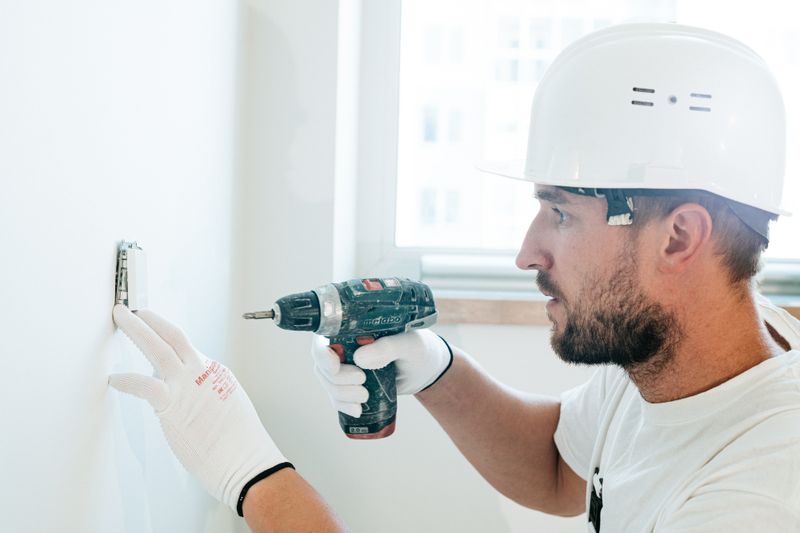
While many maintenance tasks can be performed independently, some issues require specialized knowledge, equipment, or licensing. Knowing when to seek professional assistance is an important part of any successful maintenance plan.
Attempting complex repairs without proper training can increase costs, create safety hazards, or void warranties. A checklist should include reminders for professional inspections and service appointments.
Consider hiring professionals for:
Roofing Concerns
Professional evaluation may be necessary if you notice:
- Missing shingles
- Persistent leaks
- Sagging roof areas
Electrical Issues
Contact an electrician if you observe:
- Flickering lights
- Burning odors
- Frequently tripped breakers
Plumbing Problems
Seek professional help for:
- Major leaks
- Sewer backups
- Water heater malfunctions
HVAC Service
Annual professional maintenance can improve efficiency and reduce breakdown risks.
Technicians can identify issues that homeowners may overlook.
How Can You Keep Maintenance Costs Under Control?
Many homeowners worry that regular maintenance will become expensive. In reality, preventative care often costs far less than emergency repairs. A structured checklist allows homeowners to budget for routine upkeep and avoid unexpected financial surprises.
The goal is not to spend more money but to spend it strategically. Small investments in maintenance can prevent large expenses later.
Ways to control maintenance costs include:
- Address problems early before they worsen.
- Schedule inspections consistently.
- Learn basic DIY maintenance skills.
- Maintain service records.
- Compare contractor estimates.
- Invest in quality replacement materials.
- Prioritize high-risk areas first.
Creating a maintenance budget alongside your checklist can help spread expenses throughout the year and reduce financial stress.
How Do You Turn Your Checklist Into a Long-Term Habit?
Creating a checklist is only the first step. Long-term success depends on building maintenance into your regular routine. Consistency is what transforms a simple checklist into a valuable tool for protecting your property.
Many homeowners find it helpful to designate a specific day each month for inspections. Others prefer dividing tasks across several weekends. The exact approach matters less than maintaining a predictable schedule.
Strategies for building consistency include:
Schedule Maintenance Days
Choose a recurring date each month dedicated to inspections and upkeep.
Keep Records
Document:
- Completed tasks
- Repairs
- Expenses
- Contractor visits
Historical records provide valuable insight into recurring issues.
Prioritize Safety
Address safety-related concerns immediately rather than postponing repairs.
Review Your Checklist Annually
Homes change over time, and maintenance needs evolve.
Update your checklist to reflect:
- New appliances
- Renovations
- Aging systems
- Environmental conditions
Conclusion
A monthly house maintenance checklist is one of the most effective tools homeowners can use to preserve their property’s condition, safety, and value. By breaking maintenance into manageable monthly tasks, homeowners can stay ahead of potential problems and reduce the likelihood of costly emergency repairs. The most successful checklists are practical, organized, and tailored to the specific needs of the property. Whether you use a digital app, spreadsheet, or printed checklist, consistency is the key to success. With regular inspections, timely repairs, and a proactive mindset, you can create a maintenance routine that keeps your home operating efficiently and comfortably for years to come.