Maintaining a home throughout the year is more than just routine cleaning; it’s about preserving comfort, safety, and long-term value. Seasonal maintenance helps prevent emergencies, reduces costly repairs, and ensures that every system operates efficiently. By planning carefully and addressing critical areas like heating, cooling, plumbing, electrical systems, roofing, and garage doors, homeowners can create a safer, more comfortable living environment.
A proactive approach allows for strategic scheduling, preventing overlapping projects and minimizing disruption to daily life. Seasonal planning is particularly important for systems that endure heavy use during certain times of the year, such as heating units in winter or air conditioning in summer. The goal is to stay ahead of potential problems, extend the lifespan of essential systems, and reduce unnecessary expenses.
Homes are complex systems, and the interaction between components—like HVAC systems, electrical circuits, roofing, and plumbing—means that neglecting one area can have cascading consequences. For instance, a malfunctioning furnace or poorly maintained AC system can strain other mechanical systems, while water leaks from clogged gutters or faulty plumbing may damage ceilings and walls. Preventive care and timely maintenance are therefore essential for protecting both comfort and financial investment.
Regular inspections, cleaning, and minor repairs not only prevent major issues but also improve energy efficiency and system performance. For example, well-maintained HVAC units reduce energy consumption, while functional roofing and gutters prevent structural deterioration and moisture problems. Coordinating services with qualified professionals ensures repairs are done correctly, systems operate safely, and projects are completed efficiently. With a detailed, year-round maintenance plan, homeowners can safeguard their property, optimize system performance, and maintain peace of mind, all while enhancing comfort, efficiency, and long-term value.
This guide provides practical, actionable strategies for maintaining key home systems throughout the year. It emphasizes professional coordination, preventive inspections, and seasonal planning to keep your home operating efficiently, safely, and reliably. By integrating these strategies, homeowners can enjoy a well-maintained, comfortable, and energy-efficient property while avoiding the stress of unexpected emergencies.
Heating Systems: Furnace and Boiler Maintenance
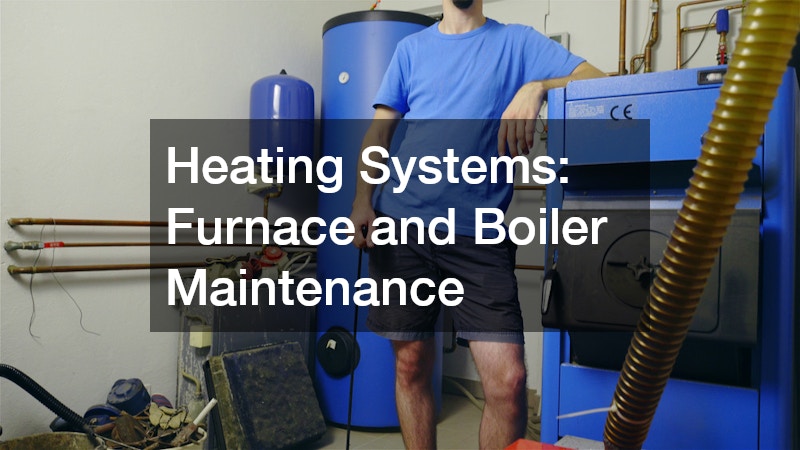
Heating systems are central to comfort and safety during colder months. Regular inspections and timely repairs ensure consistent warmth and energy efficiency, preventing sudden breakdowns when temperatures drop.
Heating maintenance tips:
- Schedule annual furnace repairs or boiler repairs before winter.
- Clean filters, inspect vents, and test thermostats.
- Examine ductwork for leaks or insulation problems.
- Verify pilot lights and burners for proper ignition.
- Address unusual noises or odors immediately.
Working with local heating repair specialists guarantees proper diagnostics and safe, effective local heating repairs. Proactive care reduces utility costs, prevents emergencies, and extends system lifespan. Homeowners should also keep records of inspections and repairs to anticipate future maintenance needs. In addition, scheduling preventative service early in the season ensures that technicians can dedicate sufficient time to comprehensive testing, reducing the likelihood of last-minute appointments during extreme weather conditions. Homeowners can also combine furnace and boiler inspections with other seasonal maintenance, such as checking insulation, duct sealing, or attic ventilation, to maximize comfort and system efficiency throughout the home.
Air Conditioning and Cooling System Care
Air conditioning units require regular attention to perform efficiently during warm months. Preventive maintenance extends unit life, reduces repair costs, and improves indoor comfort.
AC maintenance steps:
- Schedule professional AC repair or inspection annually.
- Clean evaporator and condenser coils to optimize heat exchange.
- Check refrigerant levels and recharge if necessary.
- Ensure adequate airflow and unobstructed vents.
- Inspect electrical connections for wear or corrosion.
AC contractors can spot inefficiencies that reduce cooling capacity or increase energy bills. Early maintenance prevents emergency repairs during peak summer demand, ensuring the home remains comfortable and energy-efficient. Additionally, seasonal inspections allow technicians to identify hidden issues like failing compressors, clogged condensate drains, or refrigerant leaks that can compromise both efficiency and indoor air quality. Coordinating AC care with routine HVAC service and filter replacements provides consistent climate control, lowers energy consumption, and prolongs the life of the system. Regular preventative maintenance also helps maintain indoor comfort during heat waves while avoiding unexpected breakdowns.
Plumbing and Water Systems Maintenance
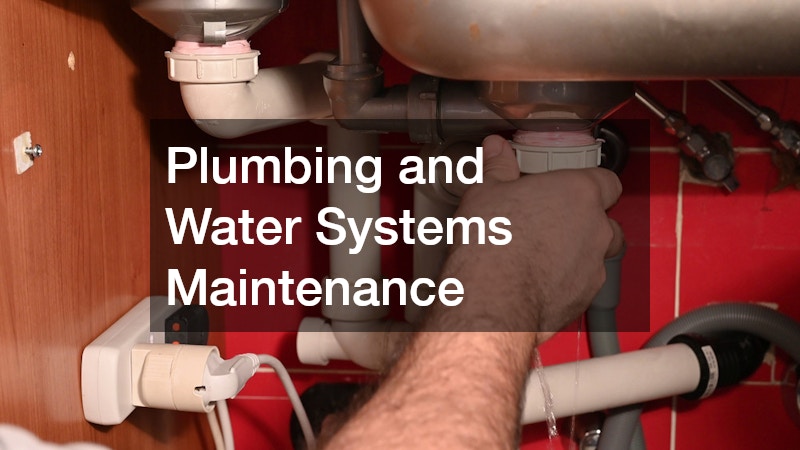
Water systems are crucial to comfort, sanitation, and structural integrity. Leaks, clogs, or pipe damage can lead to costly water damage and mold growth. Proactive maintenance prevents emergencies and preserves plumbing efficiency.
Plumbing maintenance tips:
- Schedule routine inspections with licensed plumbers.
- Check for leaks under sinks, around toilets, and near water heaters.
- Inspect water pressure to detect possible blockages or valve issues.
- Flush water heaters annually to remove sediment buildup.
- Ensure proper drainage around the foundation to prevent water intrusion.
Timely plumbing repairs help maintain water quality, prevent structural damage, and reduce energy waste. Coordinating service with other home maintenance projects ensures minimal disruption and comprehensive care of critical systems. In addition, proactive maintenance allows homeowners to address potential problems such as corroded pipes, deteriorating seals, or faulty valves before they lead to extensive water damage or health risks. Regularly inspecting plumbing also provides the opportunity to upgrade older systems to modern, water-efficient options, reducing long-term utility costs and contributing to environmental sustainability. Maintaining accurate maintenance records helps track recurring issues and anticipate future repairs.
Electrical Repairs and Upgrades
Electrical systems deteriorate over time and must be regularly evaluated. Timely electrical repair can maintain safety and support modern appliance demands.
Electrical system tips:
- Schedule annual inspections with local licensed electricians.
- Upgrade outdated panels or circuit breakers to meet current codes.
- Replace damaged wiring and outlets to prevent hazards.
- Ensure exterior circuits are safe and weatherproofed.
- Keep detailed records of all electrical work for future reference.
Electric repairmen or electrical companies provide expertise for both emergency repairs and planned upgrades, reducing fire risk and enhancing overall system reliability. Preventive maintenance also ensures that new additions, such as outdoor lighting, water pumps, or HVAC system components, integrate safely with existing circuits. In addition, scheduling inspections during off-peak seasons allows professionals to evaluate the home in detail, including assessing grounding, surge protection, and emergency systems, which might be overlooked during rushed appointments. A well-maintained electrical system contributes to overall home safety, prevents costly equipment damage, and supports energy-efficient upgrades throughout the property.
Roofing Inspections and Maintenance
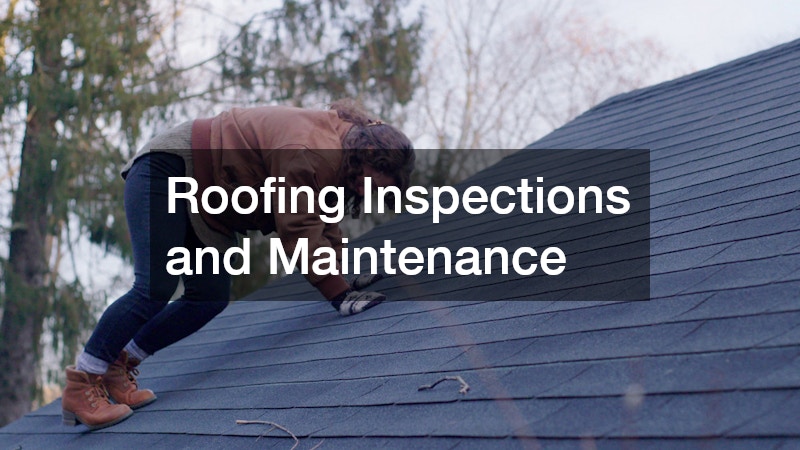
A strong roof protects the entire home from weather, moisture, and structural damage. Routine inspections from roofing contractors help identify issues early, such as missing shingles, damaged flashing, or weak spots that could lead to leaks. Regular maintenance also includes clearing debris, checking gutters and downspouts, and addressing minor repairs promptly to prevent costly structural damage. Scheduling inspections after severe weather events ensures any hidden issues are caught before they worsen, extending the roof’s lifespan and maintaining overall home safety and value.
Roof care tips:
- Schedule biannual inspections with local roofers or roofing contractors.
- Clean gutters and downspouts to prevent water buildup.
- Remove debris and moss from the roof surface.
- Address minor damage promptly to avoid larger repairs.
- Document every inspection and roof repair for future reference.
Consistent maintenance prevents water infiltration, mold growth, and costly structural damage. Roofers with local knowledge understand regional weather impacts, which helps homeowners implement preventive strategies tailored to their environment. Seasonal maintenance also includes evaluating attic ventilation, checking for ice dams in winter, and ensuring flashing around chimneys and vents is intact. Early detection of small leaks prevents extensive water damage to insulation, ceilings, and walls. Combining roof inspections with gutter cleaning, HVAC servicing, and electrical checks ensures all systems function efficiently and protects the home’s structural integrity year-round.
Garage Doors and Entry Systems
Garage doors are vital for security, convenience, and energy efficiency. Neglecting maintenance can lead to malfunctions, security risks, and expensive repairs. Regular inspections, lubrication of moving parts, and timely adjustment of springs and tracks help prevent breakdowns. Coordinating professional garage door repair before heavy-use seasons ensures smooth operation and reduces the likelihood of emergencies.
Garage door maintenance strategies:
- Inspect rollers, tracks, and cables for wear.
- Lubricate moving parts to prevent friction and noise.
- Test safety sensors to ensure proper operation.
- Schedule professional garage door repair before seasonal use peaks.
- Check weatherstripping to maintain energy efficiency.
Timely attention reduces the risk of breakdowns during harsh weather and ensures reliable operation for everyday convenience. Coordinating garage door maintenance with seasonal checks for HVAC systems, plumbing, and roofing ensures a streamlined, efficient schedule. Furthermore, addressing minor issues such as loose hardware, worn springs, or misaligned tracks prevents sudden failures and costly emergency repairs. By combining preventative maintenance with professional inspections, homeowners extend the lifespan of garage doors and maintain both security and energy efficiency for the home.
Coordinating Professional Services Efficiently
Managing multiple home maintenance projects can be challenging without careful coordination. Combining visits from HVAC companies, electricians, plumbers, and roofers saves time and reduces disruption. Creating a detailed schedule, maintaining clear communication with contractors, and grouping related tasks together ensure that work is completed efficiently. This approach minimizes downtime, prevents overlapping projects, and allows homeowners to oversee quality while reducing stress and avoiding unnecessary delays.
Coordination tips:
- Plan seasonal inspections and repairs ahead of time.
- Group services by type or area of the home for efficiency.
- Confirm availability and scope with contractors in advance.
- Track completed tasks and set reminders for recurring maintenance.
- Balance the budget and time to avoid overlapping projects.
Professional scheduling ensures that heating, cooling, roofing, electrical, and plumbing work is performed in a timely manner. Strategic coordination allows for comprehensive inspections, prioritization of urgent repairs, and efficient use of labor. Documenting services also helps identify patterns of recurring issues, informing future preventive measures. Additionally, coordinated scheduling reduces overall labor costs, minimizes disruption to daily life, and ensures that all systems integrate effectively. Homeowners can plan around seasonal needs, such as heating inspections before winter or AC checks before summer, ensuring optimal performance throughout the year.
Tips for Year-Round Efficiency and Cost Savings
Maintaining home systems proactively not only ensures comfort but also reduces utility bills and repair expenses. Energy-efficient upgrades and regular maintenance are key to maximizing efficiency. Regularly changing HVAC filters, sealing ductwork, and insulating pipes and attics can prevent energy loss. Additionally, scheduling seasonal inspections and timely repairs minimizes wasted energy, prolongs system lifespan, and ensures that each component operates at peak efficiency, helping homeowners save money while maintaining a comfortable, safe living environment throughout the year.
Efficiency tips:
- Replace air filters and inspect ducts regularly for HVAC optimization.
- Insulate water heaters and pipes to conserve energy.
- Seal leaks around doors and windows to prevent energy loss.
- Schedule regular electrical and HVAC inspections for consistent performance.
- Plan preventative roofing and gutter maintenance to avoid water damage.
Long-term planning and small investments in efficiency yield significant financial and comfort benefits, reducing the risk of costly repairs while ensuring a safe and reliable living environment. Homeowners who integrate energy-saving upgrades and timely maintenance create a resilient, efficient, and cost-effective household, making every season more comfortable and predictable.
Proactive home maintenance is essential for preserving comfort, safety, and long-term value. By systematically inspecting heating systems, air conditioning units, plumbing, electrical circuits, roofing, and garage doors, homeowners can prevent emergencies and avoid costly repairs. Engaging professional services, such as HVAC companies, AC repair specialists, local roofers, and licensed electricians, ensures that inspections and repairs are conducted safely and efficiently.
Strategic coordination of services allows multiple systems to be addressed without unnecessary disruption, while regular seasonal checkups extend the lifespan of each component. Maintaining a detailed calendar and tracking completed work helps homeowners plan ahead, budget effectively, and ensure that all systems operate optimally throughout the year.
In addition, proactive maintenance enhances overall home functionality and energy efficiency. Well-maintained systems reduce energy waste, prevent structural damage, and create a healthier living environment. Homeowners who invest time in consistent upkeep enjoy greater peace of mind, knowing potential hazards are addressed before they escalate. Regular maintenance also allows for early identification of minor issues, preventing them from developing into major problems that could compromise safety or incur high costs. Integrating preventative care with energy-efficient upgrades further improves sustainability and long-term affordability.
By combining preventive inspections, professional expertise, careful planning, and energy-conscious strategies, a home remains safe, resilient, and comfortable. A well-maintained home offers long-term value, improved functionality, and a reliable, enjoyable living environment for years to come, supporting both lifestyle needs and financial goals. Ultimately, consistent attention and strategic planning ensure that the home not only functions efficiently but also retains its market appeal and provides enduring security and comfort for all residents.