The weather can have a profound impact on your home. From heavy rains and storms to scorching heat and winter freezes, the changing seasons bring unique challenges that can affect your home’s structure, systems, and overall safety. Even minor weather-related issues, if left unaddressed, can quickly escalate into costly repairs or permanent damage. Water intrusion, ice dams, wind damage, and extreme temperatures can compromise roofing, siding, windows, insulation, and even foundational elements, creating problems that may go unnoticed until it’s too late.
Proactive, year-round maintenance is essential not only to prevent these costly repairs but also to extend the lifespan of your property and maintain a comfortable, energy-efficient home. Regular inspections, timely repairs, and preventive upgrades allow homeowners to address vulnerabilities before they turn into emergencies. By taking a systematic approach to home care, you can reduce risks, enhance safety, and preserve the value of your investment while avoiding unexpected stress during severe weather events.
This guide provides actionable tips to protect every aspect of your home—from the roof and windows to landscaping, electrical systems, and appliances—helping you manage seasonal risks effectively. You will learn practical strategies that are easy to implement, as well as professional services to consider, so you can feel confident that your home is prepared for whatever nature throws its way. By following these recommendations, you can create a home that remains resilient, efficient, and comfortable throughout the year.
Inspect and Maintain Your Roof and Gutters

Your roof is the first line of defense against weather damage, and gutters play a crucial role in directing water away from your home’s foundation. Ignoring these elements can result in leaks, water damage, and structural problems.
Key steps to maintain these areas include:
- Roof Inspection:
Look for missing or damaged shingles, cracked flashing, or signs of water damage in the attic. Seasonal inspections—especially before storm season—can prevent minor issues from escalating. - Gutter Maintenance:
Clean debris regularly to avoid clogs, which can lead to overflow and water intrusion. Consider installing a gutter cover to reduce buildup and minimize maintenance. - Professional Assistance:
Hiring a local drain and sewer cleaning company for thorough gutter and downspout cleaning can prevent serious blockages that might damage your home during heavy rain.
Regular roof and gutter checks also help identify early signs of structural problems, such as sagging or rotting. Timely repairs not only prevent leaks but also protect the interior of your home from water damage that could affect walls, ceilings, and insulation.
Additionally, winterizing your roof and gutters before the cold season can prevent ice dams, which are a common cause of roof leaks. Ensuring proper slope and drainage, along with functional downspouts, directs water safely away from the foundation, reducing erosion and basement flooding risk.
Protect Windows and Doors Against Extreme Weather
Windows and doors are often overlooked, yet they are common points of water and air leakage. Properly maintaining these openings is crucial for energy efficiency and protecting your home against storms.
Tips for safeguarding windows and doors:
- Inspect Seals and Frames:
Look for cracks, gaps, or rot around window frames. Ensure weatherstripping is intact to prevent drafts and moisture intrusion. - Upgrade Windows:
Home window replacements with energy-efficient designs can help your home withstand extreme temperatures while improving insulation. - Enhance Insulation:
Consult local insulation companies to assess areas around doors and windows. Proper insulation reduces the risk of condensation, mold growth, and heat loss.
In addition to energy efficiency, secure windows and doors also provide a layer of protection against storms and wind-driven debris. Reinforcing locks, installing impact-resistant glass, and sealing frames properly reduces the likelihood of water infiltration and interior damage during severe weather.
Regular maintenance extends the lifespan of these critical areas. Cleaning tracks, lubricating hinges, and replacing deteriorated weatherstripping ensure smooth operation while minimizing the risk of leaks and drafts, which can save on heating and cooling costs year-round.
Reinforce Outdoor Structures and Surfaces
Outdoor structures such as driveways, patios, and seawalls face constant exposure to the elements. Cracks, erosion, or structural weaknesses can worsen over time, leading to costly repairs.
Actions to reinforce outdoor areas:
- Driveways and Walkways:
Inspect asphalt for cracks or potholes. Asphalt paving companies can repair or resurface damaged areas to prevent further deterioration. - Seawall and Waterfront Protection:
If your home is near water, seawall contractors can inspect and strengthen retaining walls to prevent flooding and erosion during storms. - Preventative Maintenance:
Regularly check patios, decks, and retaining walls for cracks or shifting that may compromise stability.
Proper drainage around outdoor structures is also essential to prevent water pooling that can accelerate erosion or cause foundation issues. Simple steps like grading soil away from the home and sealing concrete surfaces can significantly extend the life of these investments.
Seasonal inspections help identify minor damage before it escalates. For instance, small cracks in asphalt can expand due to freeze-thaw cycles, while minor erosion near a seawall can compromise structural integrity. Addressing these issues promptly maintains safety and protects your property value.
Maintain Trees and Landscaping to Prevent Damage
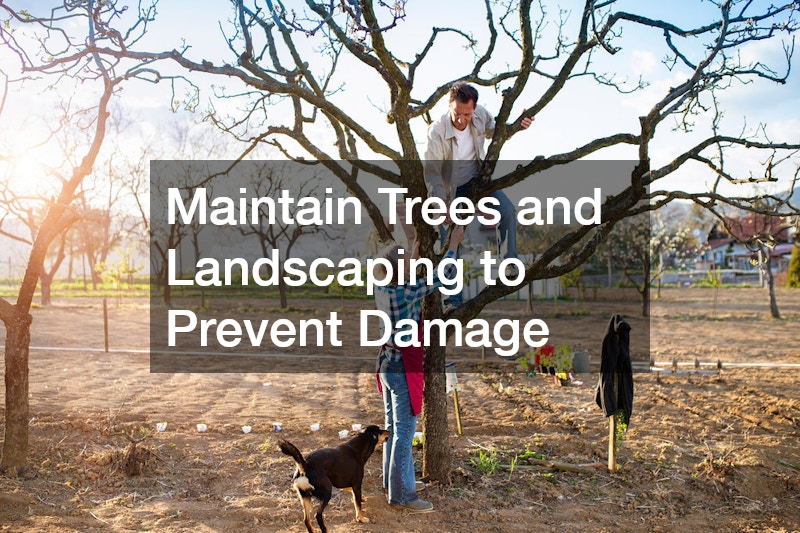
Trees and landscaping enhance curb appeal but can pose risks during severe weather if not properly maintained. Overgrown branches or weakened trees can damage roofs, gutters, and power lines.
Tips for proactive tree and landscaping care:
- Regular Inspections:
Check for dead, diseased, or weak branches that could fall during storms. - Professional Tree Services:
Hiring certified tree services ensures proper trimming, pruning, and removal of hazardous trees. - Gutter Protection:
Falling leaves and debris can clog gutters, emphasizing the importance of gutter covers to prevent overflow.
In addition to preventing damage, proper landscaping helps manage water runoff and reduces soil erosion near your home’s foundation. Trees strategically placed can provide windbreaks and shade, protecting the exterior walls and roof from direct weather exposure.
Routine landscaping also supports safety and accessibility. Removing low-hanging branches, reinforcing retaining walls, and keeping pathways clear minimizes hazards during storms while maintaining the home’s aesthetic appeal.
Safeguard Electrical and HVAC Systems
Electrical systems and HVAC units are vulnerable to weather-related stress. Power surges, flooding, or extreme temperatures can damage wiring and appliances, posing safety hazards.
Key steps for protection:
- Electrical Safety:
Consult an electrician company to inspect wiring, install surge protectors, and weatherproof outdoor outlets. - HVAC Readiness:
Inspect and maintain heating and cooling systems to handle seasonal extremes. Local insulation companies can also improve energy efficiency and protect ductwork. - Preventative Checks:
Schedule annual inspections to identify potential failures before they become emergencies.
Weatherproofing electrical components prevents costly repairs and reduces the risk of fire hazards. This includes installing waterproof covers on outdoor outlets, ensuring grounding systems are intact, and protecting exposed wiring from rain or ice accumulation.
For HVAC systems, cleaning and servicing units regularly ensures peak efficiency during high-demand periods, like the peak of summer or winter. Proper insulation around ducts and pipes prevents energy loss and protects equipment from moisture and temperature fluctuations.
Protect Interior Finishes From Moisture and Humidity
Moisture and humidity can damage ceilings, walls, and mold-prone areas, especially in regions with high rainfall or seasonal changes. Proactive measures can prevent long-term issues.
Tips for interior protection:
- Seal Gaps:
Inspect baseboards, window frames, and ceilings for cracks. Foam crown molding service can be used to seal gaps and provide additional insulation. - Monitor Appliances:
Certain appliances, like washers, dishwashers, and refrigerators, are sensitive to moisture and leaks. Routine appliance repair services can prevent water-related damage. - Control Humidity:
Use dehumidifiers in damp areas and monitor ventilation to reduce mold growth.
Maintaining interior finishes also involves checking for signs of water intrusion early, such as discoloration, peeling paint, or musty odors. Addressing these signs promptly prevents structural damage and preserves indoor air quality.
In addition, investing in quality mold-resistant materials and sealants can provide long-term protection against humidity-related problems. Regularly monitoring appliances and plumbing connections further reduces the risk of leaks and water damage inside the home.
Maintain Plumbing and Drainage Systems
Flooding and water damage are often caused by neglected plumbing and drainage systems. Routine maintenance can prevent emergencies and safeguard the home’s foundation.
Effective maintenance practices include:
- Drain Cleaning:
Schedule services from a local drain and sewer cleaning company to prevent clogs and backups that could flood basements or yards. - Appliance Checks:
Inspect dishwashers, washing machines, and water heaters for leaks. Regular appliance repair services help maintain proper function. - Routine Inspections:
Look for slow drains, unusual odors, or water stains as early indicators of potential plumbing issues.
Preventative plumbing maintenance also includes monitoring water pressure, checking for pipe corrosion, and ensuring outdoor drainage systems are functioning correctly. Proper slope and grading prevent water accumulation near the foundation.
Installing water sensors near high-risk appliances and plumbing areas can alert homeowners to leaks early, preventing major damage. Combining professional inspections with routine self-checks is key to maintaining a resilient plumbing system year-round.
Winter-Ready Preparations
Winter brings unique challenges, including freezing temperatures, snow accumulation, and ice damage. Preparing your home before the cold sets in reduces hazards and energy costs.
Actionable winter tips:
- Pipe Protection:
Insulate exposed pipes to prevent freezing and bursting. - Seal Drafts:
Check windows and doors for air leaks. Home window replacements can provide long-term energy efficiency and protection. - Snow and Ice Management:
Inspect driveways and walkways for cracks. Asphalt paving companies can repair areas prone to ice buildup, reducing slip hazards and water damage.
Winter readiness also includes checking heating systems, clearing roof gutters, and ensuring proper attic insulation. These steps reduce the strain on home systems, improve energy efficiency, and prevent costly damage caused by ice dams or frozen pipes.
Additionally, preparing emergency supplies such as backup heaters, snow removal tools, and weatherproofing materials ensures that homeowners can respond quickly during sudden winter storms, minimizing the risk of property damage.
Summer and Storm Season Precautions
Heavy rain, high winds, and hurricanes can pose serious risks during the summer and storm seasons. Taking preventive steps ensures your property can withstand extreme conditions.
Tips for summer and storm readiness:
- Tree and Landscape Management:
Trim branches and remove weakened trees with professional tree services to prevent storm damage. - Waterfront Protection:
If your property is near water, seawall contractors can reinforce structures to reduce flooding risk. - Roof and Gutter Checks:
Ensure roofs are secure and gutters are clear to handle heavy rainfall.
Summer preparation also includes securing outdoor furniture, inspecting exterior siding, and reinforcing windows and doors to resist wind damage. Storm shutters or temporary barriers can provide additional protection for vulnerable areas.
Maintaining proper drainage around your property ensures rainwater is directed away from the home, reducing the risk of basement flooding or landscape erosion. Early preparation allows homeowners to address vulnerabilities before severe storms strike.
Annual Home Maintenance Checklist
Creating a year-round maintenance routine helps homeowners systematically protect their property. A structured approach ensures nothing is overlooked, and professional assistance is utilized when necessary.
Essential checklist items:
- Electrical and Appliances:
Schedule annual inspections from an electrician company and appliance repair services to prevent failures. - Insulation and Windows:
Work with local insulation companies to maintain energy efficiency and consider window upgrades for seasonal protection. - Roof, Gutters, and Driveways:
Inspect roofing, clean gutters, and repair asphalt surfaces to prevent weather-related deterioration. - Landscaping:
Trim trees, clear debris, and ensure seawalls or retaining walls are structurally sound.
Documenting maintenance tasks and reviewing them annually helps homeowners plan ahead for seasonal changes. It also allows for budgeting and scheduling professional services, reducing the likelihood of emergencies.
An organized approach reinforces proactive home management. With a well-maintained schedule, homeowners can identify potential problems early, extend the lifespan of systems and structures, and enjoy a safe, resilient home throughout the year.
Weather can be unpredictable, but proactive home maintenance is an effective way to protect your property from damage year-round. By inspecting roofs, gutters, windows, and outdoor structures, maintaining electrical and plumbing systems, and preparing for seasonal extremes, you can reduce the risk of costly repairs, improve energy efficiency, and keep your home safe and comfortable. A combination of professional services, regular inspections, and preventative measures ensures that your home remains resilient against the elements, providing peace of mind no matter what the weather brings.